
Book Stack #2: “Chanel Inc”

Welcome to the second instalment of The Fashion Standup’s summer Book Stack. If the first edition’s protagonist was a book about the work and legacy of a woman who deserves to be spoken of more, within the constant conversations that Fashion keeps having — here we have, in some sense, the opposite.
How so? Today’s book tells a distinct story, quite distinct from what has become a myth, the fairy tale of… Coco Chanel. Chanel Inc. questions the myth we’ve been told over the last half-century, the myth of the Chanel company, which is deeply intertwined with its founder and the stories told about her.
A reminder that to access future editions of TFS’s book stack, you’ll need to become a paid subscriber for $5 a month or $50 a year.
This book had been sitting on my desk for a long time, but it took me a while to accept the idea that it wasn’t one I should talk about out loud — it needed writing, the weighing and unfolding of words. Even though I did tease it on Instagram and in a Substack Note with my red microphones…
The book, self-published by the researcher, YouTuber and anonymous Fashion content creator known as understitch, questions the narrative we’ve been handed rigorously and thoughtfully — far from being mere gossip. So, for the sake of a legal-safety disclaimer or something along those lines, I should stress that what I’m about to tell you is based on the book at the centre of this book stack.
Of course I want you to buy the book, not because I have an affiliate link to it, but so you can draw your own conclusions, beyond just learning my perspective in what follows.
I have always admired Coco Chanel and, yes, that’s the biggest cliché a Fashion Design student can have — but being a proper Scorpio, I own a collection of Chanel biographies; I called in favours to get the translated edition of “Sleeping with the Enemy: The Secret War of Coco Chanel” (2011) by Hal Vaughan sent from Brazil, and I couldn’t have been more than 12 when I read it.
I still kept my fascination with Chanel, perhaps not as fervent. Still, I believed that the motherly love she supposedly felt for her nephew was the driving force behind her most condemnable actions. I could call that the naivety of a pre-teen, and yet the perspective offered by “The New Look” (2024), Apple TV’s series made in close collaboration with the house of Dior, is similar.
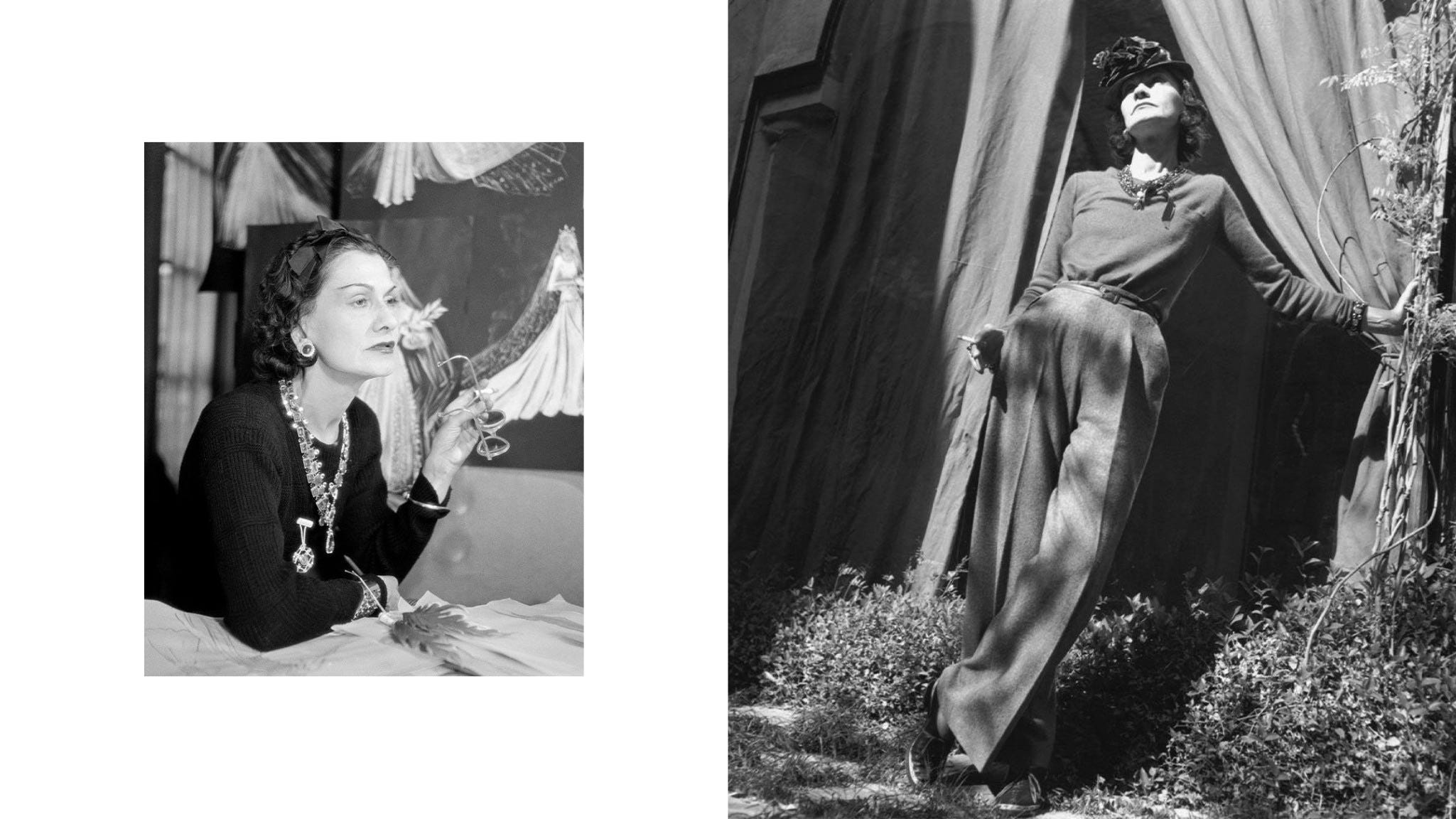
I don’t know whether my admiration for Gabrielle Bonheur Chanel is still intact — it’s an unconscious part of me I haven’t yet reached. I vividly remember the emotion of visiting the “Picasso/Chanel” exhibition in January 2023, at the Thyssen-Bornemisza Museum in Madrid. That emotion came from the idea that I was standing in front of pieces made by Chanel herself.
But were they, really? I find myself doubting it now, since the book’s author claims, with all due reference to the facts, that what we believe about the person of Chanel is a lie carefully fabricated and very well told after her death. In other words, a massive body of fake news over 50 years in the making.
It would be easier, and more comfortable, to write off “Chanel Inc.” as just another vessel for fake news. And yet, as a Fashion designer who researches and documents, I know how to recognise good investigative work when a journalist does it. For context, it’s worth noting that both disciplines, Design and Journalism, are rooted in research at their core — it’s the materialisation, the goals, the methodologies and the processes that differ.
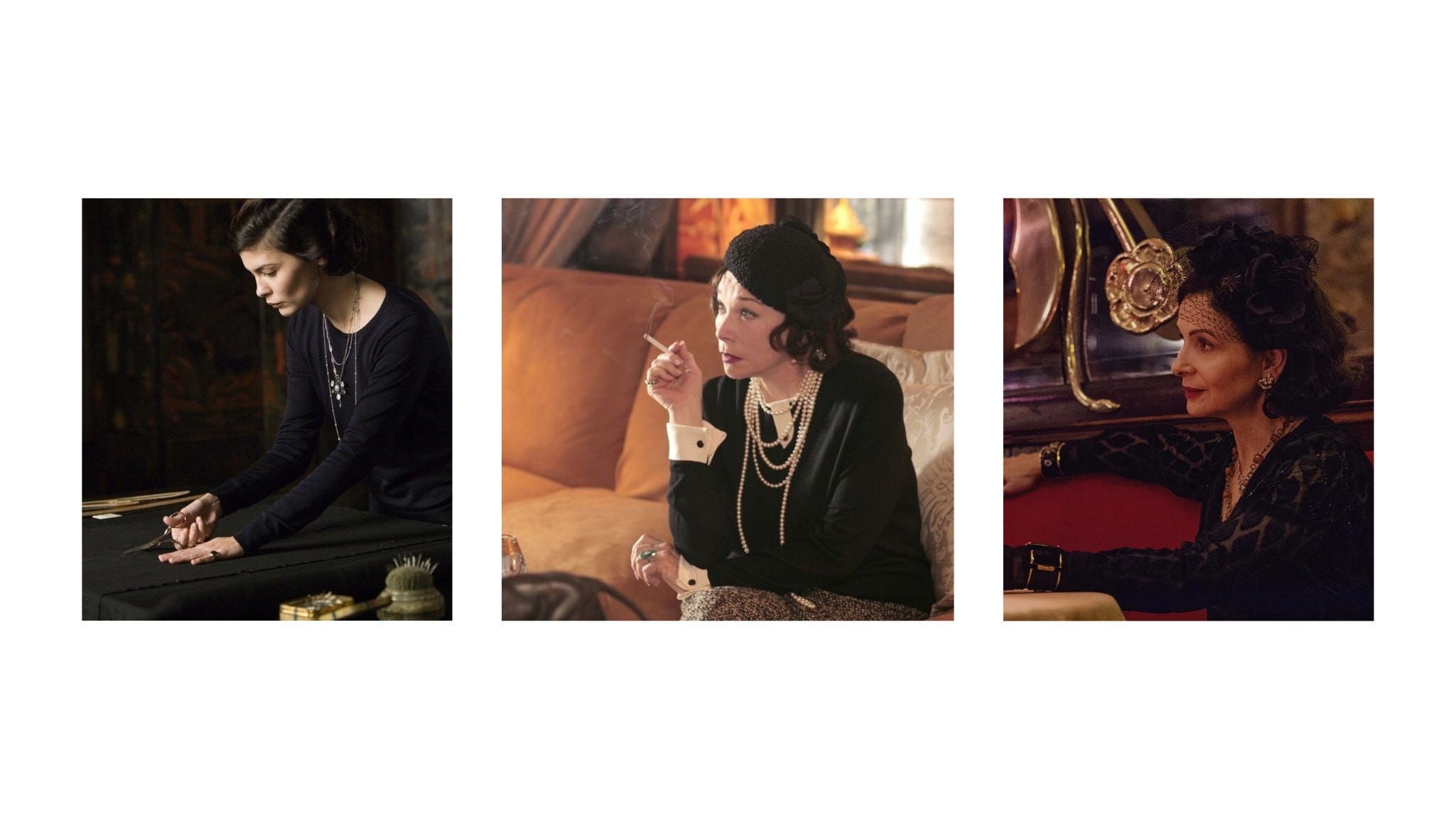
At the exhibition I mentioned, you could see an enormous photograph of Chanel’s hands — another detail in line with the narrative told and retold over and over. By contrast, here is what you can read in the pages of today’s protagonist:
“Chanel was not really a designer, nor was she a milliner, nor was she a sewer. But she realized early on that she could sell hats at the same price as other milliners while using less materials, driving up her profit margin. It’s a tactic she would later physically write down in one of the very few notes she would ever wrote as she nearly illiterate. […] A lot of what we believe today about Chanel is fundamentally untrue and largely constructed after her death. The fact of the matter is Chanel was no great artisan; she never aimed to be, instead she took to her brand as businesswoman.”
Across countless films, documentaries and publications, we’re told, among many other things, what makes us believe we’re in the presence of a prodigy — that Chanel’s success was meteoric. Something that, in my opinion, fed into or contributed to the idea, held by many Fashion Design graduates, that building your own label is easy. Leading them to assume they’re failing whenever their eponymous labels don’t hit success within a short span of time.
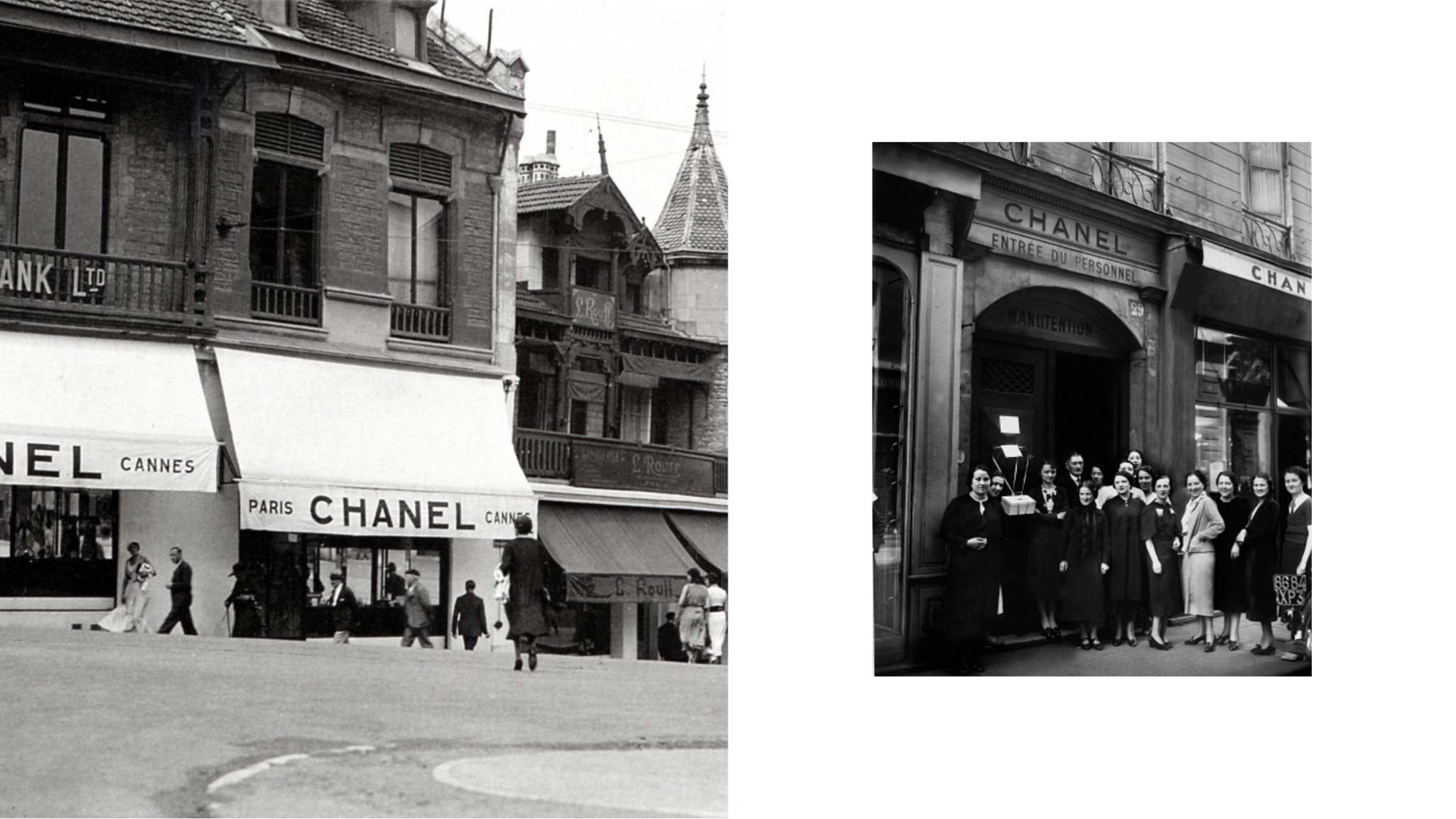
Well, it has to be said that the Chanel brand ran at a loss for at least 5 years before generating a single franc. Then again, her beloved Boy Capel had more than enough money to keep funding Coco’s brand.
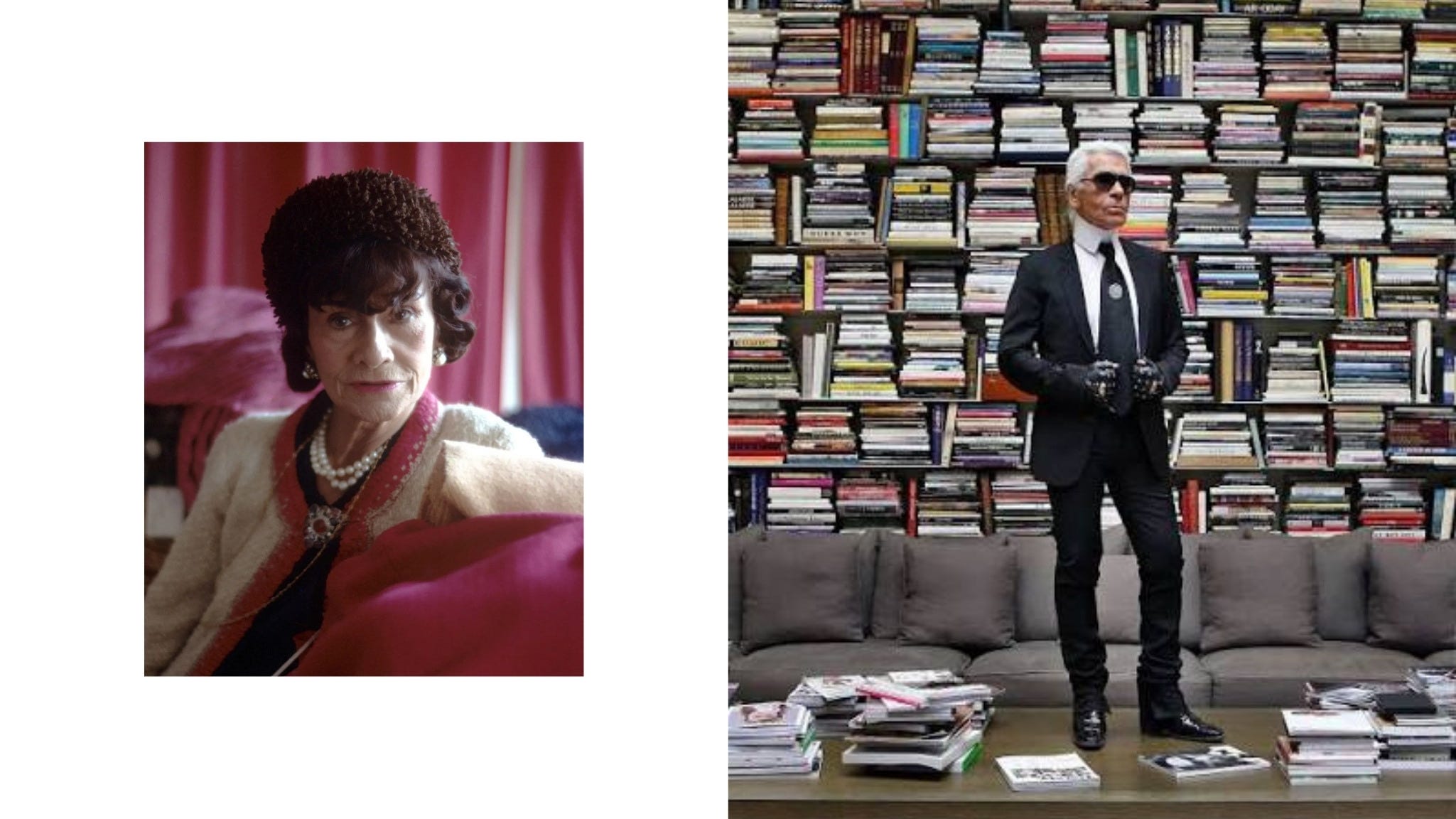
Much of what she made was simple, not out of visionary philosophy, but because her limited technical skills didn’t allow for greater complexity.
It also has to be said that she didn’t actually free women from the corset — Chanel in fact went on to sell them herself. Nor was she particularly feminist, given that, as an employer, she systematically ignored her workers’ strikes and grievances, treating them as personal attacks.
Despite the consensus that social media is the great vehicle for spreading fake news, within the context of the book we’re discussing here, we learn that Fashion History’s biggest fake news actually stemmed from the rivalry between Harper’s Bazaar and Vogue.
Publications that, on the occasion of Chanel’s return to the runway in early 1954, gave several pages of prominent coverage to Coco. Carmel Snow, editor-in-chief of Harper’s Bazaar, gave her six centre pages; Vogue answered with ten. Between the two, Chanel is credited with: freeing women from the corset; the invention (not the popularisation) of the Marinière and the Little Black Dress for womenswear. And just like that, Fashion History gets rewritten.
All of this is only the tip of the iceberg of a dense, deeply investigated work — and an intellectually very pleasurable one. The materialisation of a movement and zeitgeist of freedom and independence in Fashion writing and studies. Made outside academia and under the broad umbrella of content creation, beyond the image of the “creator” themselves — what many call the phenomenon of “intellectual influencers”.
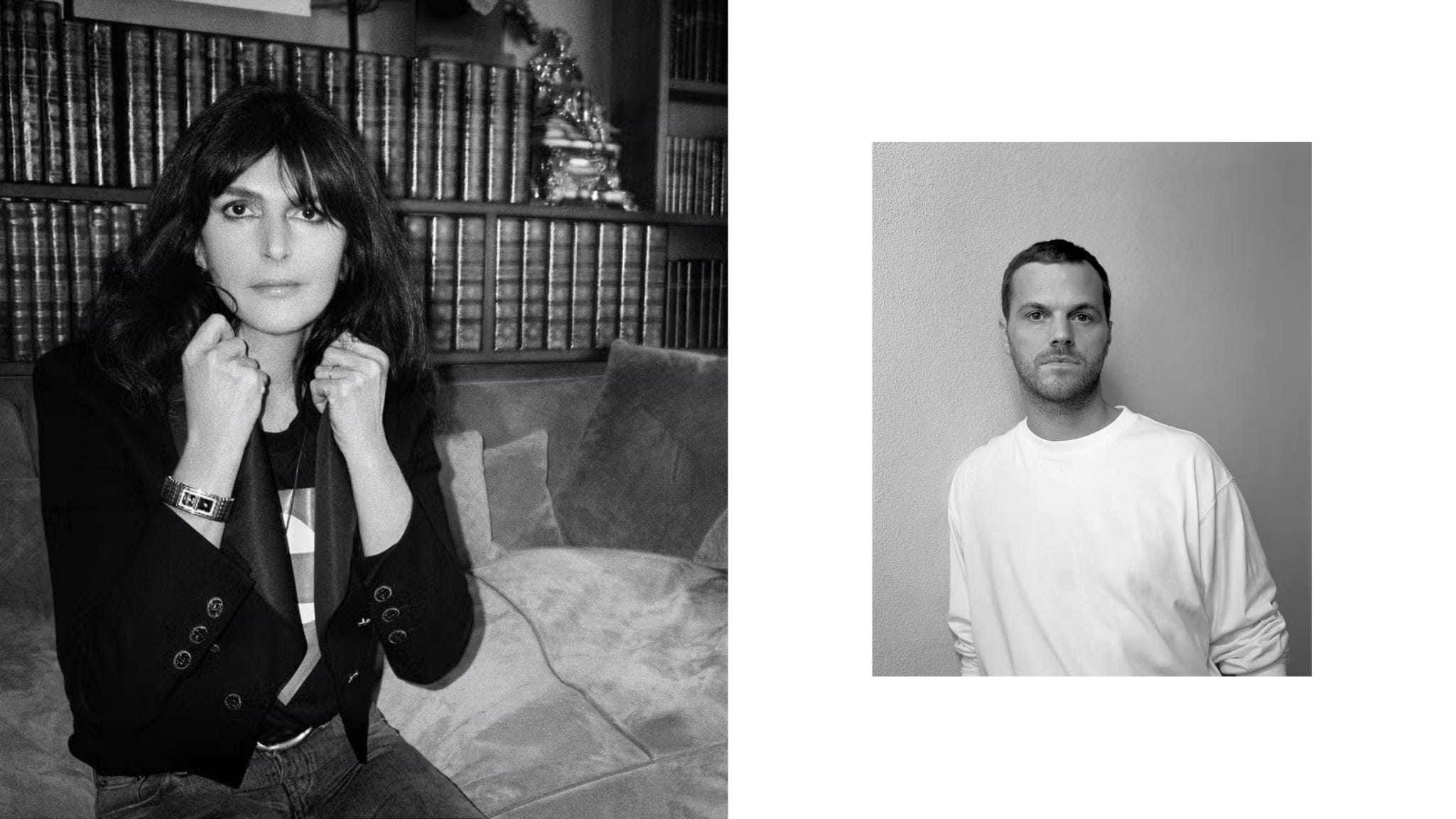
Challenging, then, the assumptions of narrative and credibility, this kind of self-published book is an example of a work of mission, proving that there’s still so, so much left to be told and written about Fashion — whether on paper, across the World Wide Web, or in one or many “corners of the internet”.
Curious enough? Happy reading!
Oh, and by the way — did you already know understitch’s work,? Or, like me, was this magnificent book your first contact with it? Share in the comments whichever piece you consider a highlight of understitch’s work,.
See you next week!
With love,
Vera Lúcia
This is really interesting! There's probably more myth surrounding Chanel than just about any other designer. I haven't read this book, but a lot of the issues it raises sound logical to me. The company as a whole has done everything in its power to erase most of its history. I did a piece probably about a year ago detailing several of the designers who came after Coco but before Karl who have been entirely omitted from the official record. As you said, there's still so much to discover about Chanel history.